Charging Guide
Charging is simpler than most people expect. Most charging happens at home overnight, much like charging a phone, and hybrids never need charging at all.
- At a glance
- Charging at home
- Public and fast charging
- Solar
- No home charging?
- Longer trips
- Hybrids and plug-in hybrids
- FAQs
At a glance
Home
Plug in overnight and start each day charged. A standard power point works; a wall charger is faster.
Public
Fast chargers along major roads and at shopping centres top up quickly when you are out.
Hybrids
A hybrid charges itself as you drive. A plug-in hybrid charges like an electric vehicle, and drives as a hybrid when the battery is used.
Charging at home
For most drivers, home is where nearly all charging happens.
- Arrive home and plug in, just as you would a phone.
- The vehicle charges overnight, often on cheaper off-peak power if your plan has it.
- Leave in the morning with the range you need for the day.
A standard power point adds roughly 10 to 15 km of range for each hour of charging, which covers a typical daily drive overnight. A home wall charger is several times faster and is worth considering if you drive further each day. A licensed electrician can advise on your home.
Public and fast charging
Public chargers come in two main kinds.
Destination chargers
Slower chargers at shopping centres, hotels and car parks. Handy while you are there anyway.
Fast chargers
Found along highways and in town. A typical top-up for the next leg of a trip takes a coffee break rather than an overnight stop.
Charging apps show where chargers are, whether they are free, and the price. Public charging usually costs more per kWh than charging at home.
Do I need solar?
No. Solar is not needed to own an electric or plug-in hybrid vehicle. If you already have solar, charging while the sun is out can use your own power, which can lower your running costs.
What if I cannot charge at home?
Plenty of people without off-street parking still drive electric, using workplace or public charging as part of their weekly routine. It takes a little more planning. If that does not suit you, a hybrid gives lower fuel use with no charging at all.
Longer trips
Longer trips in an electric vehicle work well with a little planning: start with a full charge, and plan a charging stop at a natural break. Speed, hills, load and hot or cold weather all affect range, so allow a margin. A plug-in hybrid or hybrid simply refuels as normal on a long trip.
Hybrids and plug-in hybrids
Hybrid (HEV)
A hybrid never needs to plug in. Its small battery charges itself from the engine and from braking.
Plug-in hybrid (PHEV)
A plug-in hybrid charges from a power point or charger like an electric vehicle. Keep it charged to drive more on electricity; when the battery is used, it carries on as a hybrid.
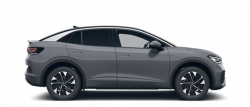
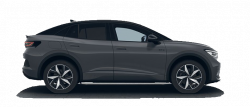
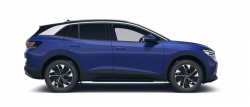
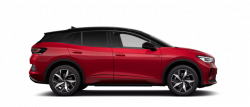
Electric and hybrid vehicles in our range

FAQs
How long does it take to charge?
It depends on the charger and the battery. Overnight on a power point suits most daily driving; a home wall charger is several times faster; a public fast charger adds a lot of range in a short stop.
Is charging in the rain safe?
Yes. Vehicles, cables and chargers are designed and tested to be used in all weather.
Does the battery wear out?
Batteries lose some capacity slowly over many years, and manufacturers cover them with a battery warranty. Ask our team for the details of any model.
What does it cost to charge?
Home charging costs your electricity price for each kWh; public charging usually costs more. The running-cost calculator gives an indicative comparison for your driving.
Can I tow or carry a load?
Many electric and hybrid vehicles can tow. Towing and heavy loads use more energy, so range is shorter. Check each model's towing capacity.
Ready for the next step?
Drive one, or talk it through with our team.
See what is in stock
Terms & Conditions
Specifications, driving range and pricing come from Volkswagen's published data and can change. Running costs are indicative estimates only. Please confirm details with our team.

 Audi (1)
 BMW (2)
 Mazda (1)
 Mercedes-Benz (2)
 Subaru (1)
 Suzuki (1)
 Volkswagen (89)
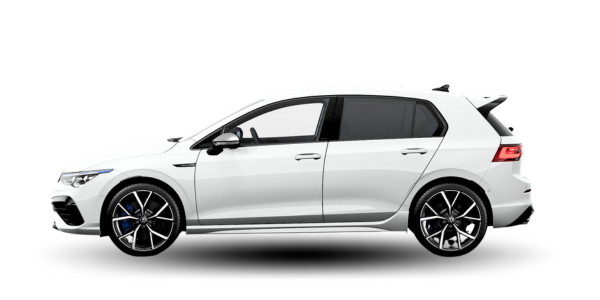 Hatch (12)
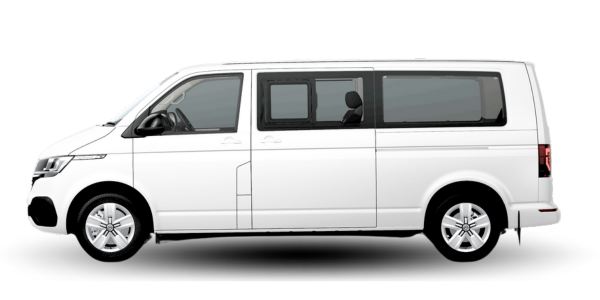 People Mover (3)
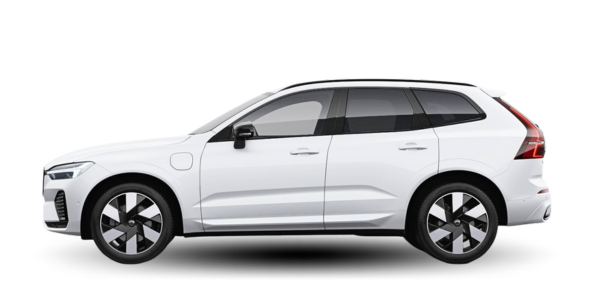 SUV (49)
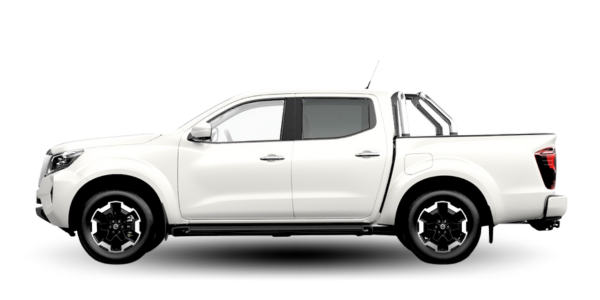 Ute (24)
 Van (9)